
Near Clairmont & I85:
1788 Century Blvd
Suite B
Atlanta, GA 30345
Phone: 404-808-1678
Sex Addiction Therapy
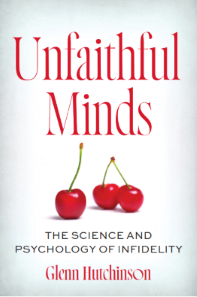
Chronic infidelity and excessive use of pornography can be signs of sex addiction, but these behaviors don’t always indicate an addiction. Sex is a normal human drive that can get out of control in many different ways, and for different reasons. I work with lots of men whose sexual behavior is out of control; with each new client, one of my first tasks is to help them determine whether they should think of their behavior as an addiction or as some other kind of problem behavior. (BTW, my book is about the psychological factors that play a role in infidelity, rather than about sex addiction, but many of the same mechanisms and processes are involved in both.)
Sex addiction remains a controversial topic, with many questions still lacking definitive answers. Indeed, the most fundamental question of all has yet to be settled: Is it actually possible for a person to be addicted to sex or pornography? If you have surfed the web, you know this is the subject of rancorous debate. One side speaks as if sex addiction is a well-established, thoroughly investigated mental health condition, and they purport to be experts on treating it. The other group – mostly purist academics – argues that people can’t actually be addicted to an innate need, such as food or sex.
As is often the case, the extremists at both ends of the debate are more vocal than those in the middle. But here’s the most important thing to keep in mind: virtually everyone agrees – including most of the experts who argue that it’s impossible to be addicted to sex — that sexual behaviors can become compulsive or otherwise out of control, causing serious damage to the individual’s relationships and career. (If you want details about the scientific debate, go to the Important Topics page and watch the video Is “Sex Addiction” Really an Addiction? It’s a clip from a workshop on this topic that I did for mental health professionals.)
If you are searching for a therapist who can assess and help you address problem sexual behaviors, you may find it difficult to find someone with whom you feel comfortable because many sex addiction therapists adopt a moralistic stance and pathologize sexual behaviors and desires that are essentially normal. I take a non-judgmental, science-based approach.
Anytime a person feels bad, it’s natural for them to seek something that stimulates positive feelings. Some people are lucky. As kids, they were taught healthy ways of coping with negative emotions, but most people were not so fortunate. When they feel antsy or blue, they’re inclined to overindulge in food, video games, alcohol, drugs, or sex. Sometimes, these behaviors take on a life of their own – that is, they may continue long after the initial sadness or stressor has passed. For some individuals, the behaviors escalate until they are completely out of control.
Because the scientific community has yet to reach a consensus about the most accurate way to conceptualize out-of-control sexual behavior, exceedingly few studies have compared the effectiveness of various forms of treatment for it. Unfortunately, this has not stopped programs from sprouting up to “certify” therapists in the treatment of sex addiction. These programs have been developed prematurely, to put it mildly. (As I explain below, however, I believe many therapists have a great deal to offer people who are experiencing out-of-control sexual behaviors.) The certification programs exist because many therapists are willing to pay large sums of money to say they have been certified in a form of therapy that was developed by an author who has a lot of name recognition.
Despite the paucity of research on the treatment of sex addiction, there are many reasons to believe that well-trained mental health professionals can help people whose sexual behaviors have gotten out of control. Psychologists frequently see clients who have unique behavior problems, ones that have not been the subject of much research. A well-trained professional knows how to analyze such a behavior to determine factors that trigger or sustain it, and how to use that information to intervene. A good clinician can, in effect, collaborate with the client to run personalized experiments to determine what works best for that individual. It’s also true that most current-day therapists draw from a well-established arsenal of cognitive-behavioral techniques (CBT) no matter whom they are working with. Research has shown that these techniques are helpful in the treatment of a broad array of difficulties — from depression and anxiety disorders to substance abuse. It stands to reason that these techniques are likely to help clients who need to control or modify sexual behaviors too.
References
Cahill, L. (2006). Why sex matters for neuroscience. Nature Reviews Neuroscience, 7(6), 477-484.
Carvalho, J., Gomes, A. Q., Laja, P., Oliveira, C., Vilarinho, S., Janssen, E., & Nobre, P. (2013). Gender differences in sexual arousal and affective responses to erotica: The effects of type of film and fantasy instructions.Archives of sexual behavior, 42(6), 1011-1019.
Conroy-Beam, D., Buss, D. M., Pham, M. N., & Shackelford, T. K. (2015). How sexually dimorphic are human mate preferences?. Personality and Social Psychology Bulletin,41, 1082-1093.
Baumeister, R. F., Catanese, K. R., & Vohs, K. D. (2001). Is there a gender difference in strength of sex drive? Theoretical views, conceptual distinctions, and a review of relevant evidence. Personality and social psychology review,5(3), 242-273.
Else-Quest, N. M., Higgins, A., Allison, C., & Morton, L. C. (2012). Gender differences in self-conscious emotional experience: a meta-analysis.Psychological bulletin, 138(5), 947.
Fisher, T. D., Moore, Z. T., & Pittenger, M. J. (2012). Sex on the brain?: An examination of frequency of sexual cognitions as a function of gender, erotophilia, and social desirability. Journal of Sex Research, 49(1), 69-77.
Galperin, A., Haselton, M. G., Frederick, D. A., Poore, J., von Hippel, W., Buss, D. M., & Gonzaga, G. C. (2013). Sexual regret: Evidence for evolved sex differences. Archives of sexual behavior, 42(7), 1145-1161.
Geer, J. H., & Robertson, G. G. (2005). Implicit attitudes in sexuality: Gender differences. Archives of Sexual Behavior, 34, 671–677.
Hald, G. M. (2006). Gender differences in pornography consumption among young heterosexual Danish adults. Archives of sexual behavior, 35(5), 577-585.
Lippa, R. A. (2012). Effects of sex and sexual orientation on self-reported attraction and viewing times to images of men and women: Testing for category specificity. Archives of sexual behavior, 41(1), 149-160.
Petersen, J. L., & Hyde, J. S. (2010). A meta-analytic review of research on gender differences in sexuality, 1993–2007. Psychological Bulletin, 136, 21–38.
Young, L., & Alexander, B. (2012). The chemistry between us: Love, sex, and the science of attraction. Penguin Group: New York.